 Pin It
 My neighbor knocked on the door one April morning with a bundle of asparagus from her garden, still damp with dew, and suddenly I had to figure out what to do with it before noon. A frittata seemed obvious—eggs, springtime vegetables, maybe some goat cheese I had lingering in the fridge. That one spontaneous gesture turned into the dish I now make whenever I want something that feels both fancy and completely effortless.
I served this to friends last May for a casual lunch, and someone asked if I'd taken a cooking class. I laughed—there's nothing intimidating about it once you realize the oven does most of the work. Watching their faces light up when they tasted that first bite, the way the creamy cheese mixed with the tender asparagus, that's when I knew this recipe deserved a permanent spot in my rotation.
Ingredients
- Asparagus (1 bunch, about 200 g): Look for firm spears with tight tips; trim the woody ends by snapping them where they naturally break, then cut into 2 cm pieces so they cook evenly and don't overpower the delicate eggs.
- Red onion (1 small): The sharpness mellows into something sweet and mild as it softens, creating a subtle flavor base that doesn't compete with the other ingredients.
- Baby spinach (1 cup, about 30 g): It wilts down to practically nothing, adding earthiness and nutrition without making the frittata feel heavy.
- Eggs (6 large): Room temperature eggs blend more smoothly and cook more evenly; set them out while you prep the vegetables.
- Whole milk (1/4 cup, 60 ml): This creates that cloud-like texture—skip it and you'll notice the difference immediately in how dense the frittata becomes.
- Goat cheese (100 g): Crumble it by hand rather than chopping; the irregular pieces distribute flavor in every bite and look more appealing.
- Parmesan cheese (2 tbsp grated): Use freshly grated if you can; the pre-shredded kind contains anti-caking agents that change the melting quality.
- Fresh chives and dill: Split them between the egg mixture and the final garnish so you get fresh herbal brightness at the beginning and end.
- Salt and black pepper: Taste as you go; the goat cheese and Parmesan are already salty, so go easy at first.
- Olive oil and butter (2 tbsp and 1 tbsp): The combination of both gives you the fruity flavor of olive oil with the richness and browning power of butter.
Tired of Takeout? 🥡
Get 10 meals you can make faster than delivery arrives. Seriously.
One email. No spam. Unsubscribe anytime.
Instructions
- Heat your oven and skillet:
- Set the oven to 180°C (350°F) and let it preheat while you prep—this ensures even cooking in the second half. An ovenproof skillet is non-negotiable; cast iron or heavy nonstick work beautifully.
- Soften the onions:
- Warm the olive oil over medium heat, then add the red onion, stirring occasionally until it turns translucent and smells sweet, about 2–3 minutes. You're building flavor here, not rushing.
- Cook the asparagus:
- Add the asparagus pieces and let them get tender but still slightly firm to bite, roughly 4–5 minutes. Stir now and then so they color evenly.
- Wilt the spinach:
- Push everything to the sides, add the spinach to the center where it's hottest, and watch it collapse within a minute. It happens fast.
- Prepare the egg mixture:
- Whisk the eggs with milk, salt, black pepper, and half the chives and dill in a separate bowl until everything is pale and uniform. Don't overbeat—you want to incorporate air gently, not vigorously.
- Build the frittata:
- Reduce the heat to low, add the butter to the skillet (let it foam slightly), then pour the egg mixture evenly over the vegetables. Dollop the crumbled goat cheese across the surface and finish with a sprinkle of Parmesan.
- Start on the stovetop:
- Let it cook undisturbed for 4–5 minutes until the edges set and the center is still slightly jiggly. This initial cook gives you structure before the oven takes over.
- Finish in the oven:
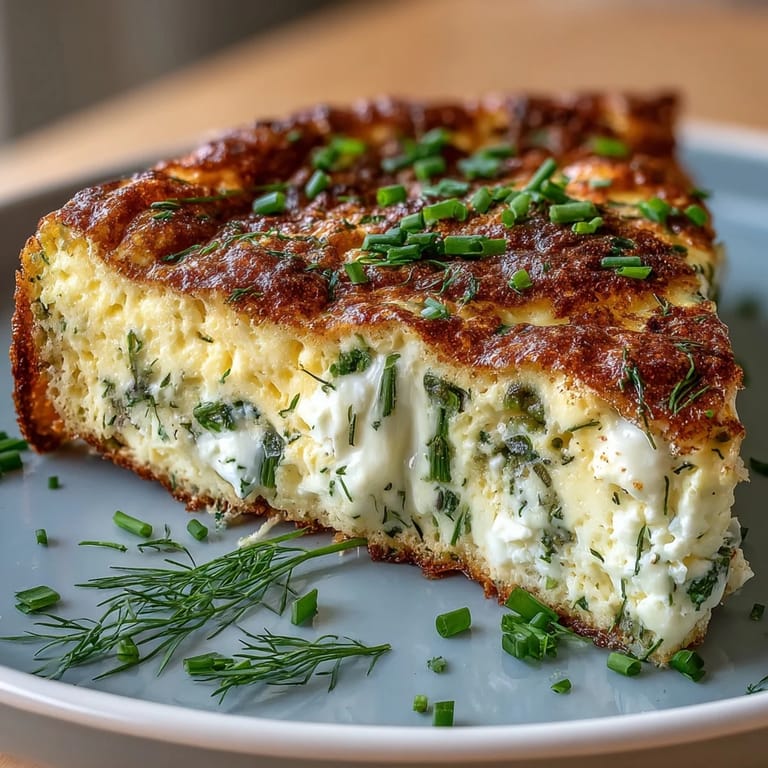
- Transfer the skillet to the preheated oven and bake for 10–12 minutes until the center looks just set and the top is lightly golden. Don't overbake or it becomes rubbery.
- Rest and serve:
- Let it sit for 5 minutes out of the oven—this helps it firm up slightly and makes slicing cleaner. Garnish with the remaining fresh herbs and a pinch of red pepper flakes if you like a subtle kick.
 Pin It
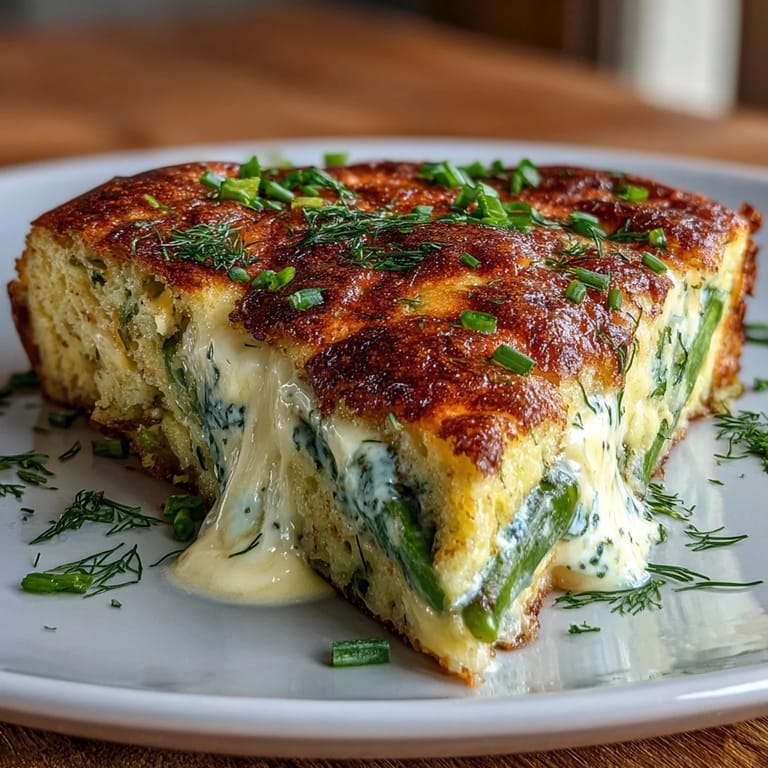
 There's something almost meditative about watching this dish come together, the way the asparagus turns bright green, how the cheese gets all melty and soft. My mother tasted it once and asked why I'd never made it before; I realized then that simple food made with care is often more memorable than anything complicated.
Why Spring Vegetables Matter
Asparagus in early spring tastes nothing like asparagus in August—it's sweeter, more delicate, and it doesn't take long to cook before it turns mushy. The same goes for spinach; baby spinach folded in at the last minute tastes fresher and more vibrant than if it'd been cooking the whole time. Seasonal eating isn't just a catchphrase; it's the difference between a dish that tastes alive and one that tastes ordinary.
Temperature Control is Everything
Most home cooks rush the stovetop portion, cranking the heat so the eggs set fast. That's the mistake—low heat lets the edges cook gently without browning too much or creating tough, rubbery patches. The oven finish is what gives you that tender center and light golden top; the stovetop is just about getting the foundation set.
Variations and Serving Ideas
Once you understand this basic formula, you can swap vegetables with whatever looks good at the market. Zucchini, mushrooms, bell peppers, peas—they all work beautifully. The same goes for cheese; feta adds tanginess, ricotta brings creaminess, sharp cheddar gives you boldness. Serve it warm with crusty bread and a simple salad, or let it cool to room temperature for a picnic-perfect meal that tastes just as good at noon as it does at night.
- Pair it with a crisp white wine or sparkling rosé for a brunch that feels special without effort.
- Leftover frittata keeps in the fridge for three days and tastes wonderful cold straight from the container.
- Double the recipe if you're feeding a crowd; you'll just need a slightly larger skillet and a few extra minutes in the oven.
 Pin It
 This frittata has become my answer to 'what should I make for brunch,' and it never disappoints. It's the kind of dish that reminds you that good food doesn't need to be complicated—it just needs to be made with attention and a little love.
Recipe FAQs
- → How do I prevent the frittata from sticking to the skillet?
Using a well-seasoned cast iron or nonstick ovenproof skillet with olive oil and butter helps create a nonstick surface for easy release.
- → Can I add other vegetables to the dish?
Yes, adding spring vegetables like peas or leeks enhances flavor and texture, complementing the asparagus base.
- → What cheese substitutes work well?
Feta or ricotta cheeses make excellent swaps for goat cheese, offering varied creamy textures and tastes.
- → How to tell when the frittata is properly cooked?
Look for set edges and a lightly golden center with a slight jiggle, indicating tender but fully cooked eggs.
- → What wine pairs best with this dish?
A crisp white wine or sparkling rosé beautifully complements the frittata’s fresh and creamy flavors.