 Pin It
 My neighbor Maria handed me a wooden spoon one August afternoon, steam rising from her kitchen window, and said, "You need to learn this—it's what we eat when nothing else matters." That spoon felt like an heirloom, and the dish she taught me that day, Pasta Alla Norma, became the thing I make when I want to feel close to someone or to myself. It's Sicilian simplicity at its best: roasted eggplant that turns jammy and sweet, tomatoes that have simmered into silk, and that salty bite of ricotta salata that makes everything sing. There's no fussing, no pretense—just honest flavors that somehow taste like home.
I made this for my sister on a night when we both needed something uncomplicated and real, and she sat at the counter eating straight from the bowl, not bothering with a plate. We didn't talk much, just let the food do the work—and by the end of dinner, we were laughing about old things and planning future ones. That's when I understood that Pasta Alla Norma isn't just a recipe; it's permission to slow down.
Ingredients
- 1 large eggplant, about 400 g, cut into 2 cm cubes: This is your star—choose one that feels heavy for its size and has tight, glossy skin, because a tired eggplant will taste bitter and watery.
- 800 g canned whole peeled tomatoes or passata: San Marzano tomatoes are worth seeking out; they're sweeter and less watery than other varieties, and they break down into a luscious sauce without much fussing.
- 3 tbsp extra-virgin olive oil: Don't skimp here—this is the backbone of the dish, so use something you actually like the taste of, not the cheapest bottle on the shelf.
- 2 garlic cloves, finely chopped: Fresh garlic makes all the difference; jarred garlic tastes like regret in this context.
- 1 medium onion, finely chopped: The onion sweetens as it cooks, balancing the acidity of the tomatoes and adding subtle depth.
- 1 small bunch fresh basil, leaves picked: Keep some back for finishing—that final scatter of green basil is where the magic happens.
- 80 g ricotta salata, grated or crumbled: This salty, slightly grainy cheese is non-negotiable for the authentic taste, though Pecorino Romano works if you can't find it.
- 400 g rigatoni or penne pasta: The ridges catch sauce beautifully; smooth pasta will leave half the flavor on the plate.
- 1/2 tsp dried chili flakes, optional: A tiny whisper of heat wakes everything up without overpowering the delicate eggplant.
- Salt and freshly ground black pepper, to taste: Taste as you go—the tomatoes, cheese, and eggplant all bring their own saltiness, so you're building layers, not guessing.
Tired of Takeout? 🥡
Get 10 meals you can make faster than delivery arrives. Seriously.
One email. No spam. Unsubscribe anytime.
Instructions
- Get your oven ready and start the eggplant:
- Preheat to 220°C (430°F). Toss your eggplant cubes with 2 tablespoons of olive oil and a pinch of salt, then spread them on a baking tray in a single layer—don't crowd them or they'll steam instead of roast. They'll need 25–30 minutes, turning them halfway through, until the edges are golden and the flesh is so tender it almost falls apart when you touch it with a spoon.
- Build the tomato sauce while eggplant roasts:
- Heat 1 tablespoon of olive oil in a large skillet over medium heat, add your chopped onion, and let it soften for about 5 minutes until it turns translucent and sweet-smelling. Stir in the garlic and chili flakes (if using), cooking just until fragrant—about 1 minute—because burnt garlic tastes bitter and ruins everything.
- Simmer tomatoes into silk:
- Crush your canned tomatoes by hand right into the skillet with their juices, season with salt and pepper, and let everything bubble gently for 15–20 minutes, stirring now and then. You'll notice the sauce thickening, the color deepening, and the raw tomato smell melting into something warm and inviting.
- Get pasta water ready:
- While the sauce simmers, bring a large pot of salted water to a boil and cook your pasta until it's al dente—tender but with a slight resistance when you bite it. Before draining, scoop out about 1/2 cup of that starchy pasta water and set it aside; it's liquid gold for loosening the sauce later.
- Marry the eggplant and sauce:
- When the eggplant comes out of the oven, all caramelized and soft, add it to the simmering tomato sauce along with most of your basil leaves. Stir gently and let everything cook together for just 2 more minutes so the flavors meet and become friends.
- Bring pasta and sauce together:
- Toss your drained pasta with the eggplant-tomato sauce, adding spoonfuls of that reserved pasta water as needed until the whole thing becomes silky and clings to each strand without being soupy. The starch in the water creates a light, glossy coating.
- Finish and serve:
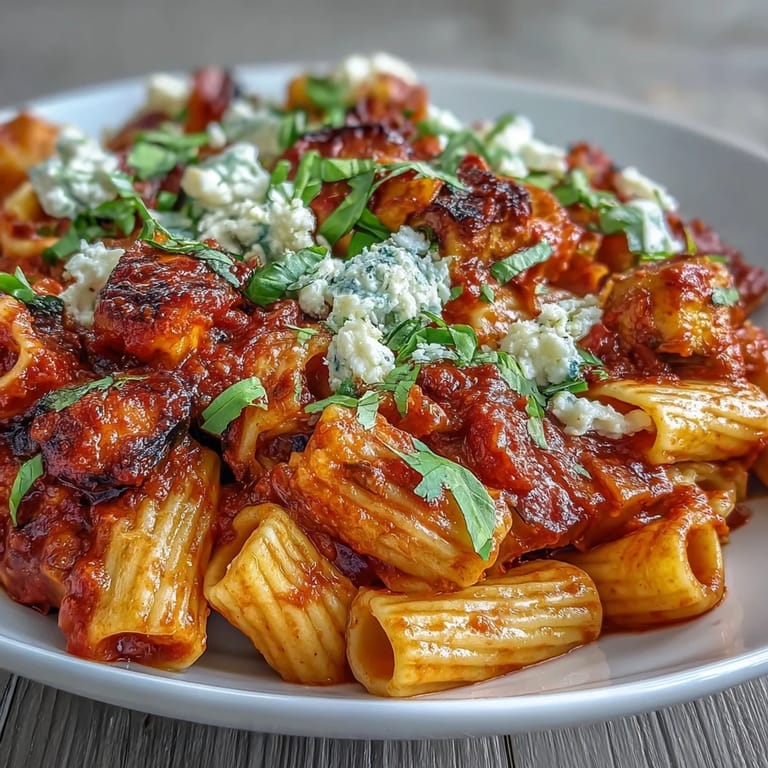
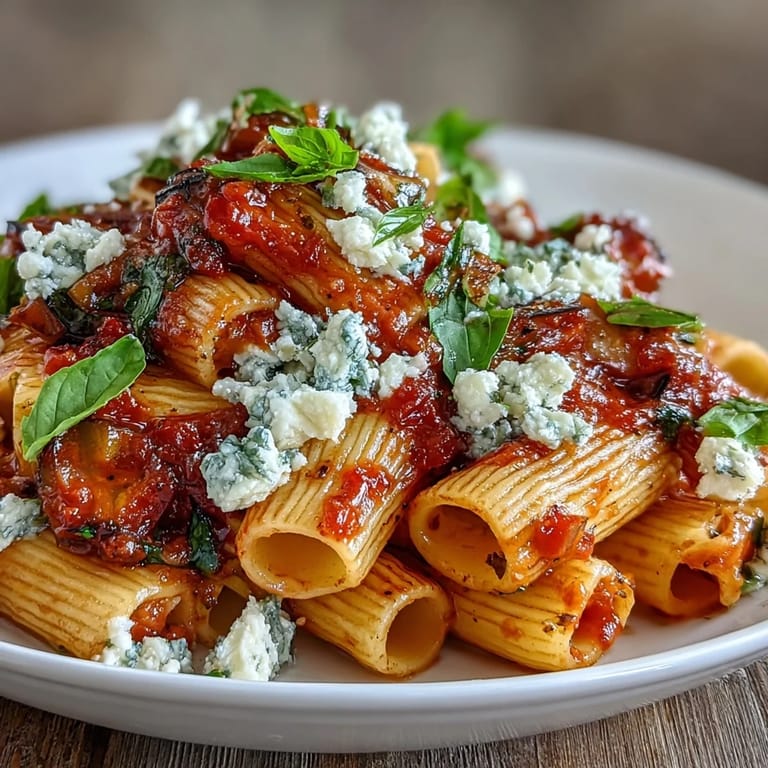
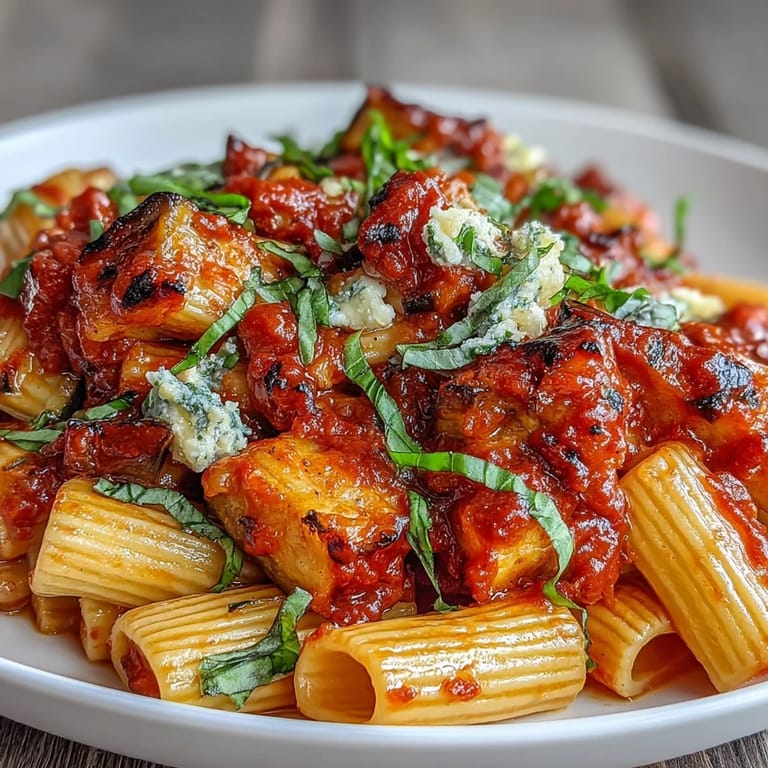
- Divide into bowls and top each one with a generous scatter of ricotta salata and a few reserved basil leaves, letting people see what they're about to eat. The cheese will soften slightly from the heat, and that fresh basil will add a bright, almost peppery note that lifts the whole dish.
 Pin It
 There's a moment, right when you're plating this dish, when the smell hits you—eggplant and tomato and basil and that salty cheese—and you realize you're about to make someone happy with very simple things. That moment never gets old, no matter how many times you make it.
The Magic of Roasted Eggplant
Eggplant gets a bad reputation because so many people either fry it into grease or boil it into mush. Roasting changes everything. The oven's dry heat caramelizes the natural sugars in the flesh, turning it golden and jammy instead of bitter and waterlogged. I learned this by accident—my skillet was dirty one evening, so I roasted instead of sautéing—and now I roast everything this way. The cubes collapse slightly under a fork, absorbing sauce like they were born to do it.
Timing and Patience
This dish teaches you something valuable if you pay attention: that good food isn't rushed. The eggplant roasts while you build the sauce, the sauce simmers while you boil pasta, and everything comes together at exactly the right moment without you scrambling. It's actually relaxing once you let go of the idea that cooking has to be frantic. I pour a glass of wine, put on music, and let the oven and stovetop do their thing while I wander around the kitchen, tasting as I go.
Substitutions and Flexibility
This recipe is forgiving in the best ways. Can't find ricotta salata? Pecorino Romano, crumbled feta, or even a sharp Parmesan will work—the goal is that salty, crumbly contrast. Don't have fresh basil? Dried basil in the sauce plus a handful of fresh parsley at the end is honest and good. Out of chili flakes? Skip them; the dish doesn't need heat to be delicious. The beauty of Sicilian cooking is that it celebrates what you have, not what you're missing.
- For a vegan version, simply leave off the cheese or use a plant-based alternative and it loses nothing in translation.
- If your eggplant seems watery, salt the cubes lightly and let them sit for 10 minutes before roasting—some of the excess moisture will weep out.
- Leftover pasta keeps beautifully in the fridge for up to 3 days and can be reheated gently with a splash of olive oil.
 Pin It
 Make this dish when you want to feed someone well, or when you want to feed yourself well, because they're the same thing. There's no fussiness here, just vegetables and tomatoes and cheese doing exactly what they're supposed to do.
Recipe FAQs
- → What makes Pasta Alla Norma authentic?
Authentic Pasta Alla Norma features three key components: roasted or fried eggplant, a simple tomato sauce with onion and garlic, and ricotta salata—the salted, aged sheep's milk cheese that gives the dish its characteristic tangy finish. The combination creates the perfect balance of sweet, salty, and savory flavors that Sicilian cuisine is known for.
- → Can I substitute the ricotta salata?
Yes, Pecorino Romano makes an excellent alternative with its similar salty profile. Feta can work in a pinch, though it will add a tangier flavor. For a vegan version, simply omit the cheese or use a plant-based crumbly cheese alternative—the dish remains delicious without it.
- → Why roast the eggplant instead of frying?
Roasting requires significantly less oil than traditional frying while still achieving that creamy interior and caramelized exterior. It's a lighter approach that concentrates the eggplant's natural sweetness. If you prefer the classic method, you can shallow-fry the cubes in olive oil until golden—both techniques yield excellent results.
- → What pasta shapes work best?
Rigatoni and penne are traditional choices because their ridges and hollow centers capture the sauce and small pieces of eggplant. Other short pasta with texture, like cavatappi or fusilli, would also work well. The key is choosing a shape that holds onto the chunky sauce effectively.
- → Can I make this ahead?
The tomato sauce with roasted eggplant actually improves in flavor if made a day ahead—store it in the refrigerator and reheat gently before tossing with freshly cooked pasta. However, cook the pasta fresh and combine just before serving for the best texture. The basil should be added at the end to preserve its bright flavor.
- → How do I prevent the eggplant from becoming bitter?
Modern eggplants are generally bred to be less bitter, but if you're concerned, you can salt the cubes for 30 minutes before cooking, then rinse and pat dry. This draws out moisture and any potential bitterness. For this recipe, the roasting process naturally sweetens the eggplant, so additional salting isn't strictly necessary.