 Pin It
 There's something about the smell of leeks softening in butter that makes a gray afternoon feel purposeful. I discovered this soup during a particularly chilly November when my neighbor dropped off a bundle of leeks from her garden, still dusty with soil. She mentioned it casually, as if leeks were ordinary, but something about their mild sweetness and that pale green color made me curious enough to build a whole soup around them. What started as an experiment with what I had on hand became the kind of dish I now make without thinking, the way some people reach for tea.
I made this for my partner on the evening we decided to stop trying to impress each other and just be honest about what we actually wanted for dinner. They asked for something warm that didn't require decisions, and I stood at the stove listening to the leeks hiss and soften, thinking about how the best meals are often the ones we stop overthinking. By the time the soup was poured, we were laughing about something entirely different, but the soup was somehow part of that moment anyway.
Ingredients
- Unsalted butter (2 tablespoons) and olive oil (1 tablespoon): Butter gives the aromatics their richness while the oil keeps things from browning too fast; together they create the flavor base everything else builds on.
- Leeks (2 large, white and light green parts): Slice them lengthwise first, then into half-moons, and rinse between the layers where soil hides; they're sweeter and milder than onions once cooked.
- Yellow onion (1 medium, diced): This adds a savory depth that lasts even after everything blends; don't skip it thinking the leeks are enough.
- Garlic (3 cloves, minced): Add it after the soft vegetables or it will brown and turn bitter, which changes everything.
- Yukon Gold potatoes (4 medium, peeled and diced): These waxy potatoes hold their shape through cooking and blend into silky cream without turning gluey like russets can.
- Celery (2 stalks, diced): A small amount adds backbone to the broth without announcing itself; it's the quiet ingredient that makes people ask what you put in this.
- Vegetable or chicken broth (1 liter): Use low-sodium so you control the salt; homemade is lovely but store-bought works just as well.
- Whole milk or cream (1 cup): Milk keeps it light and elegant, cream makes it indulgent; add it at the end so the heat doesn't split it.
- Bay leaf, fresh thyme, black pepper, and kosher salt: The bay leaf should come out before blending or you'll have bits; thyme can be fresh or dried, and tasting as you season matters more than exact measurements.
Tired of Takeout? 🥡
Get 10 meals you can make faster than delivery arrives. Seriously.
One email. No spam. Unsubscribe anytime.
Instructions
- Heat your fat and soften the leeks:
- In a large pot over medium heat, melt the butter into the olive oil, then add your sliced leeks and diced onion. Listen for a gentle sizzle without aggression; you're coaxing them tender over 5 to 6 minutes, stirring occasionally, until they're translucent and soft but nowhere near browned.
- Wake up the pot with garlic and celery:
- Add the minced garlic and diced celery, stirring for about 2 minutes until the kitchen smells unmistakably like cooking something real. This is where the aromatics deepen and everything starts to feel intentional.
- Build the soup with potatoes and broth:
- Stir in your diced potatoes, then add the bay leaf, thyme, salt, and pepper. Pour in the full liter of broth and bring everything to a boil, then immediately reduce the heat to low, cover the pot, and let it simmer gently for 20 to 25 minutes until the potatoes are so tender a fork slides through them without resistance.
- Remove the bay leaf and blend:
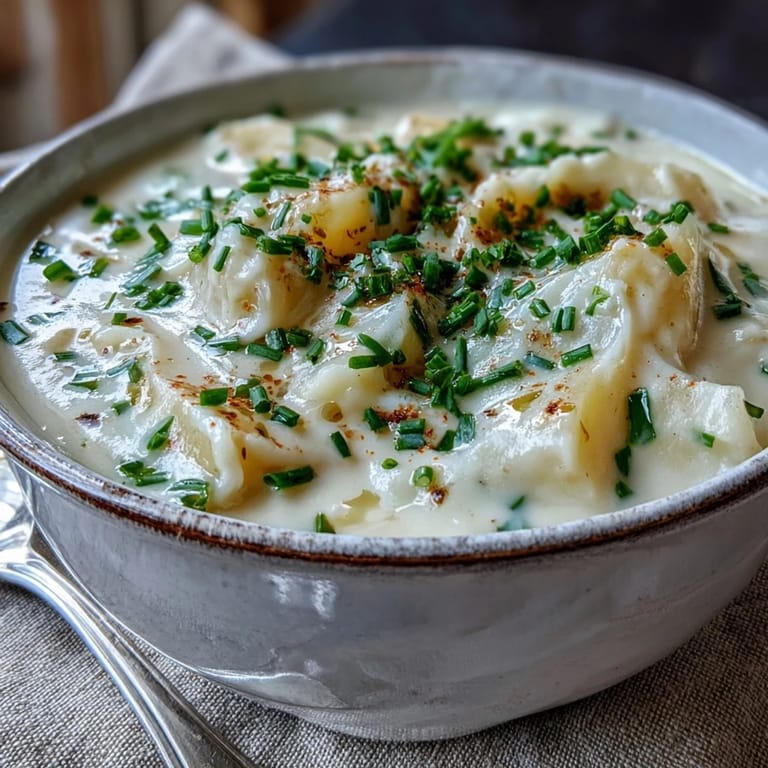
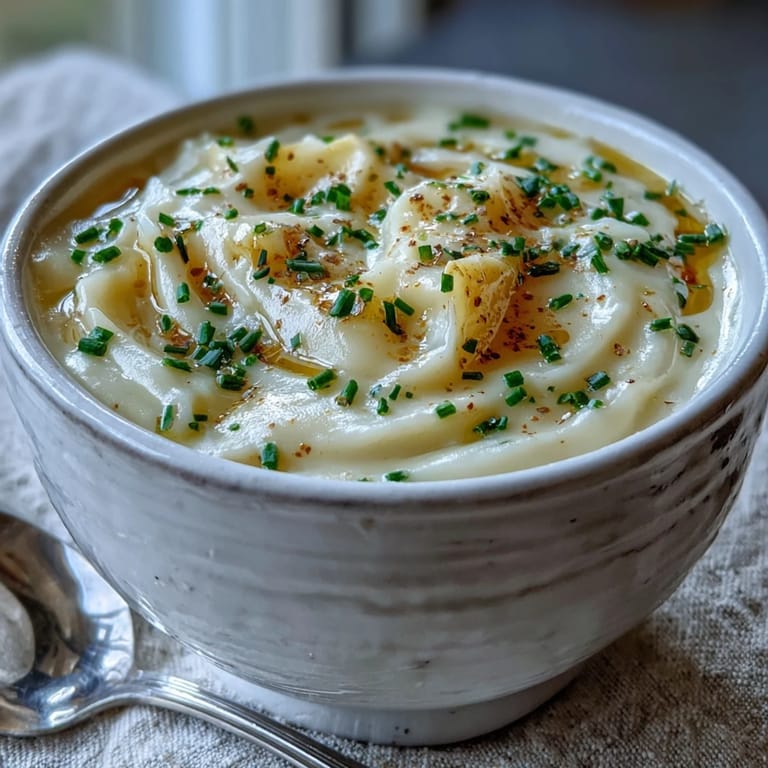
- Fish out the bay leaf with a spoon, then use an immersion blender to purée the soup into smooth creaminess, or leave it slightly chunky if that's what you prefer. The choice changes the feeling of the soup entirely, so trust what sounds good to you.
- Finish with milk and heat through:
- Stir in the milk or cream and gently reheat over low heat, tasting as you go and adjusting salt and pepper until it tastes like comfort in a bowl. Don't let it boil or the dairy will separate.
- Add your chosen elevation:
- If you're going the seafood route, fold in cooked shrimp, scallops, or white fish and let it warm through for 2 to 3 minutes without agitation. For bacon, crumble it over the top of each bowl just before serving so it stays crispy.
- Serve with garnish:
- Ladle into bowls and finish with fresh chives or parsley scattered across the top, letting people see all the care you took before they taste it.
 Pin It
 My mother tasted this soup one afternoon and said it tasted like the kind of thing you'd remember, which is the highest compliment she gives anything. She asked for the recipe even though she's the better cook, and I realized then that sometimes the meals that matter aren't about technique but about the moment someone decides to sit down and eat something you made with intention.
Why This Soup Works as a Base
The genius of this recipe is its flexibility without losing its identity. The creamy potato and leek foundation is sturdy enough to hold whatever you add—seafood transforms it into something restaurant-elegant, bacon makes it feel like Sunday dinner, vegetables make it seasonal. I've made it the same way a hundred times and still felt like I was choosing something different each occasion because the additions told their own stories.
The Dairy Question
If you need to skip the milk or cream, the soup is still utterly good just blended smooth with the broth, though it loses that silky coat on your tongue. For dairy-free versions, I've used cashew cream or oat milk and found both work beautifully if you blend them in gently at the end. The soup doesn't demand richness; it just asks for kindness in how you finish it.
Seasonality and Substitutions
Leeks are most tender in spring and early fall, but farmers markets usually have them year-round because they store well. If corn is in season, stirring in a cup of kernels adds sweetness and texture; peas work similarly and turn everything a lovely pale green. In autumn, I sometimes add diced carrots and parsnips, which bring a subtle earthiness that makes you understand why root vegetables exist.
- Add hearty vegetables like diced carrots, corn, or peas to shift the soup's personality without changing its bones.
- A pinch of nutmeg stirred in at the very end does something quietly transformative that no one can quite identify.
- Pair this with crusty bread and a glass of crisp white wine like Sauvignon Blanc, and suddenly it's not just lunch.
 Pin It
 This soup has become the thing I make when I want to feel capable without stress, when I want to feed someone without performing. It's proof that simplicity and care can look exactly the same from the outside, but taste completely different depending on who's holding the spoon.
Recipe FAQs
- → Can I make this soup ahead of time?
Yes, this soup keeps well in the refrigerator for up to 4 days. Store in an airtight container and reheat gently on the stovetop, adding a splash of broth or milk if it thickens too much.
- → How do I properly clean leeks?
Slice the leeks lengthwise and rinse under cold running water, separating the layers to remove any dirt or sand trapped between them. Pat dry before slicing.
- → Can I freeze potato leek soup?
You can freeze it for up to 3 months, but the texture may become slightly grainy due to the potatoes and dairy. Reheat slowly and whisk well to restore smoothness.
- → What can I substitute for Yukon Gold potatoes?
Russet potatoes work well and create a fluffier texture, while red potatoes offer a creamier, waxier consistency. Adjust cooking time as needed based on potato type.
- → How can I make this soup thicker or thinner?
For a thicker soup, add an extra potato or reduce the broth slightly. To thin it out, gradually stir in more broth or milk until you reach your desired consistency.
- → What type of seafood works best in this soup?
Shrimp, scallops, and white fish like cod or haddock are excellent choices. Add them already cooked at the end to prevent overcooking and maintain tender texture.