 Pin It
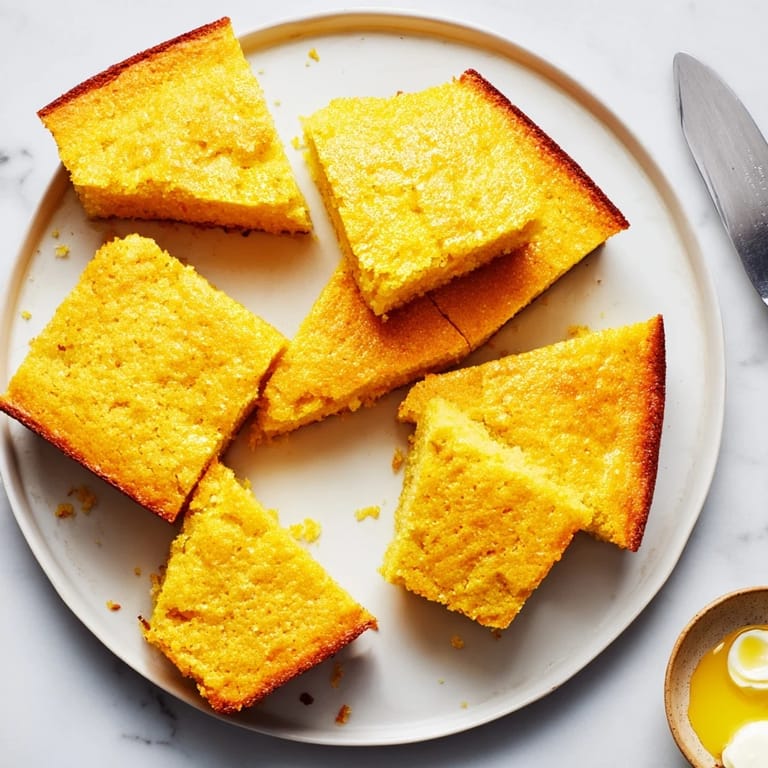
 The smell of cornbread baking triggers something primal in me, pulling me straight into my grandmother's kitchen where the iron skillet hissed and popped. I didn't appreciate how perfect this bread was until I moved away and realized not all cornbread has that crisp, buttery edge that gives way to steamy sweetness inside. Now, making a batch feels like coming home, even in my own tiny apartment with paper-thin walls and a oven that runs hot.
Last winter, I brought a still-warm skillet to a potluck and watched it disappear in minutes while people stood around the kitchen island, breaking off pieces with their fingers. Something about tearing into fresh cornbread together breaks down walls better than any cocktail. My friend Sarah claimed she doesn't even like cornbread, then proceeded to eat three squares slathered in butter, admitting she'd only ever had the dry, crumbly kind from boxes.
Ingredients
- Yellow cornmeal: The foundation and soul of this bread, fine grind gives you tenderness while keeping that characteristic corn texture we all love
- All-purpose flour: Provides structure so your cornbread holds together instead of crumbling into disappointment on your plate
- Granulated sugar: Adjust this based on your family's traditions, some insist on none while others want it sweet enough for dessert
- Baking powder and baking soda: This dual leavening team creates those irresistible tender crumbs and helps the bread rise beautifully
- Fine sea salt: Don't skip this, salt is what makes the corn flavor sing and balances whatever sweetness you choose
- Whole milk: Buttermilk adds a wonderful tang, but regular milk keeps it accessible and still produces tender results
- Large eggs: Room temperature eggs incorporate better and help bind everything while contributing to richness
- Unsalted butter: Melted and cooled, butter gives you that unbeatable flavor, though some old-school cooks swear by bacon grease
- Vegetable oil: Keeps the bread moist longer than butter alone, ensuring it stays tender even the next day
- Honey: Optional but recommended if you love that extra depth of flavor and a beautiful golden color
Tired of Takeout? 🥡
Get 10 meals you can make faster than delivery arrives. Seriously.
One email. No spam. Unsubscribe anytime.
Instructions
- Get your oven hot:
- Preheat to 400°F and generously grease your pan or skillet, because nothing's sadder than cornbread that sticks and tears when you try to serve it.
- Whisk the dry team:
- In your largest bowl, combine cornmeal through salt, making sure there are no clumps of baking powder hiding in the flour.
- Blend the wet ingredients:
- Whisk milk, eggs, butter, oil, and honey until completely smooth, the mixture should look like liquid gold.
- Bring it together gently:
- Pour wet into dry and fold with your spatula, stop as soon as you no longer see dry flour, overmixing makes tough cornbread.
- Into the hot pan:
- Spread batter evenly and get it into the oven immediately, that first burst of heat helps create the crust we're all after.
- Bake until golden perfection:
- Twenty to twenty-five minutes is usually right, but trust your nose when that nutty, buttery smell fills your kitchen, check for that clean toothpick.
- The hardest part:
- Let it rest for ten minutes, I know you want to dive in immediately, but this brief wait makes slicing easier and helps the texture set properly.
 Pin It
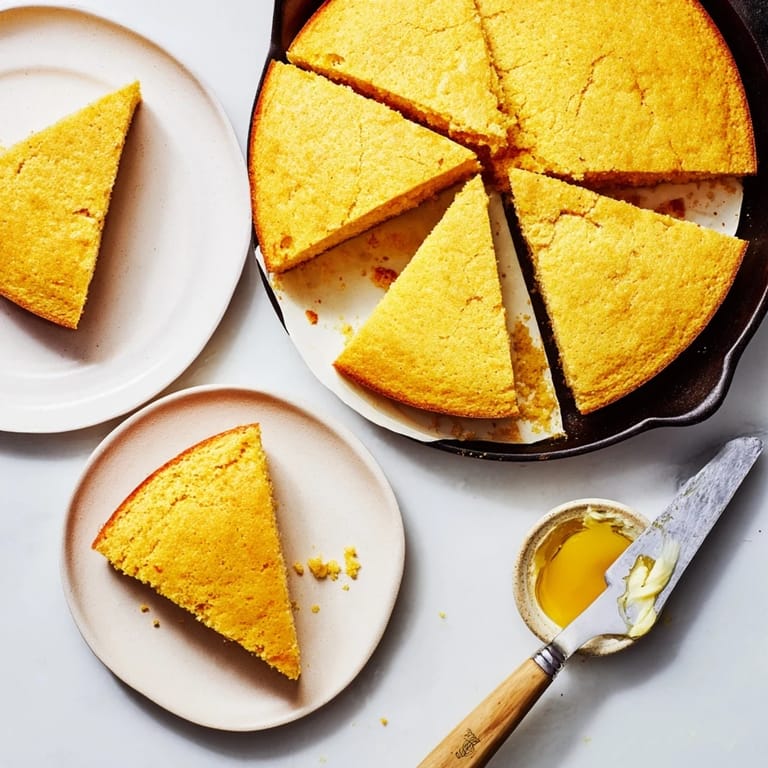
 My brother-in-law, who grew up on the sweet Northern style, finally admitted after years of debates that there's room for both versions at the table. Now whenever we have family dinners, someone always brings a skillet of each style, and the friendly competition about which disappears first has become its own tradition. Food shouldn't be about proving someone wrong, it should be about finding what makes people happy.
Serving Suggestions
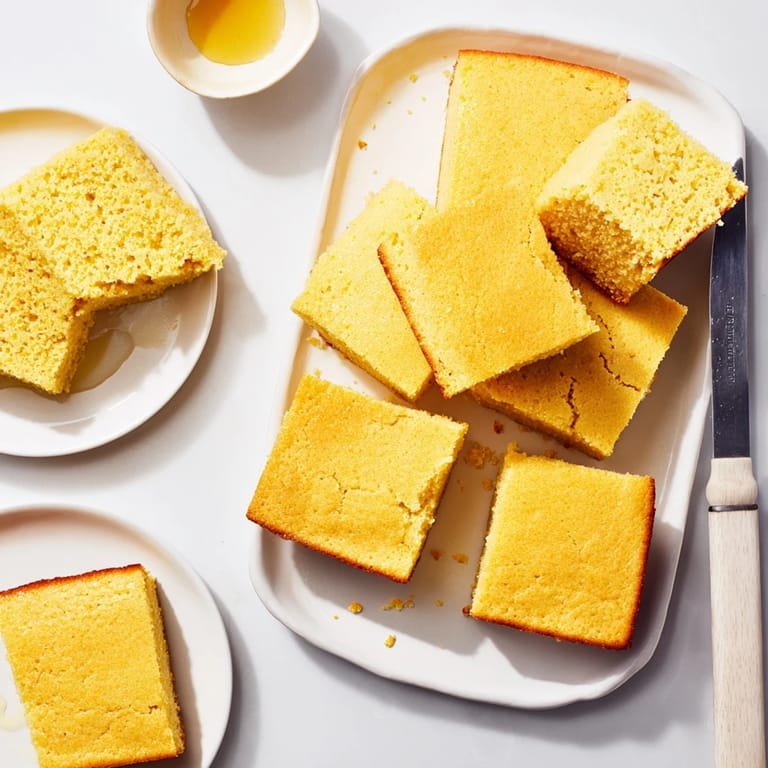
Warm cornbread straight from the oven needs nothing more than a pat of good butter melting into those golden nooks and crannies. If I'm serving chili, I let the cornbread soak up some of the broth right on the plate, transforming each bite into something even more comforting than before.
Storage and Reheating
Cornbread is best eaten the day it's made, but I've learned to wrap leftovers tightly and store at room temperature if planning to finish within twenty-four hours. For longer storage, freeze individual slices wrapped in foil and reheat in a 350°F oven for about ten minutes until steaming hot again.
Customizing Your Cornbread
The variations are endless once you master the base, and I've had great luck adding shredded sharp cheddar and minced jalapeños for game day. My grandmother would sometimes stir in creamed corn for extra moisture and sweetness, creating a texture closer to spoonbread than traditional cornbread.
- Add a cup of thawed frozen corn kernels for extra texture and sweetness
- Swap half the butter for bacon grease if you want smoky depth
- Press fresh rosemary into the top before baking for an elegant dinner party version
 Pin It
 There's something profoundly satisfying about making cornbread, perhaps because it's one of those recipes that connects us to generations of home cooks who stood before us, mixing the same simple ingredients with the same hopes of feeding someone they love. May your skillet always be hot and your cornbread never dry.
Recipe FAQs
- → Can I use buttermilk instead of regular milk?
Yes, buttermilk creates a tangier flavor and more tender texture. It reacts with the baking powder and soda for extra lift, resulting in an even lighter crumb.
- → Why did my cornbread turn out dry?
Overbaking or overmixing the batter can cause dryness. Check for doneness at 20 minutes and avoid stirring beyond just combined. The batter should still be slightly lumpy.
- → Can I make this gluten-free?
Absolutely. Substitute the all-purpose flour with a 1:1 gluten-free flour blend. The texture will remain similar, though slightly more delicate.
- → Should I use a cast-iron skillet or baking pan?
Cast-iron skillets create an exceptional crispy crust, especially when preheated with butter. Square baking pans produce a softer crust and are great for even squares.
- → Can I reduce the sugar?
Yes, adjust sugar to taste from 2 tablespoons up to 1/4 cup. For savory versions, you can omit it entirely or use just 1 tablespoon for slight sweetness.
- → How should I store leftover cornbread?
Wrap tightly in plastic or store in an airtight container at room temperature for up to 2 days. For longer storage, refrigerate for up to a week or freeze for 3 months.