 Pin It
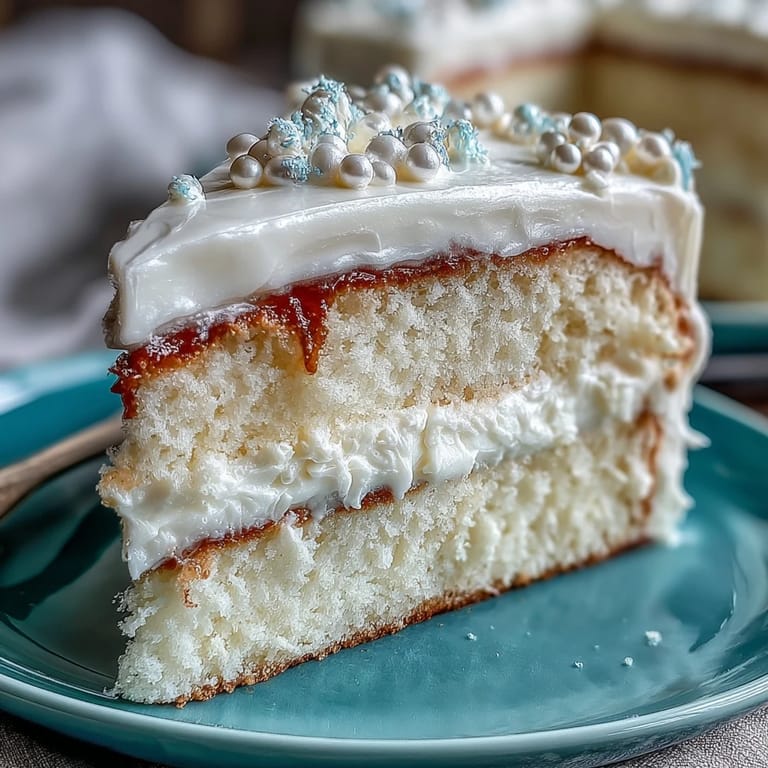
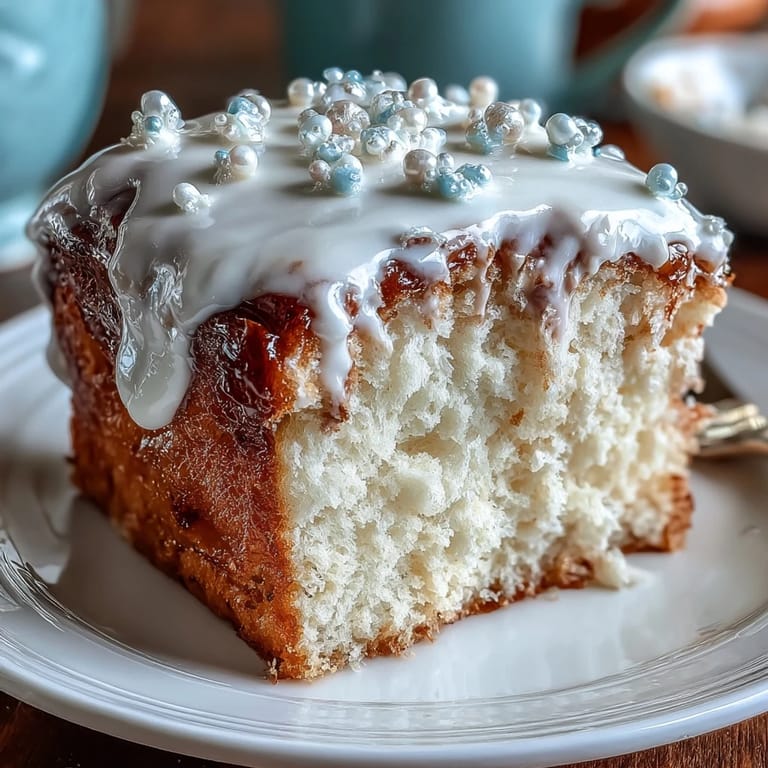
 My cousin's Communion was on a Saturday in May, and I volunteered to bring the cake without really thinking through what that meant. Standing in my kitchen at 6 AM with flour dust already coating my apron, I realized I'd chosen something both ambitious and deeply meaningful—a cake that needed to be beautiful enough to photograph, moist enough to be memorable, and elegant enough to honor the occasion. The pearl fondant idea came to me while watching the morning light hit my grandmother's old pearl necklace, and somehow it felt right for a celebration about grace and new beginnings.
I'll never forget the moment my aunt walked into the reception hall and spotted that cake on the dessert table—she actually gasped, then laughed because she couldn't believe I'd made it. My cousin came over and just hugged me, still in her white dress, and suddenly it wasn't just about cake anymore. It was about showing up for people with something you'd made with your own two hands, something that took care and attention and a little bit of faith that it would turn out okay.
Ingredients
- All-purpose flour (3 cups): The foundation of a tender crumb—don't sift unless your flour is really compacted, because overmixing flour creates tough cake, and we're going for cloud-like texture here.
- Baking powder (2½ tsp): This does the heavy lifting for rise; I learned the hard way that old baking powder won't perform, so check your pantry and replace it annually.
- Salt (½ tsp): A tiny pinch that makes every other flavor pop without tasting salty—it's the secret most people forget.
- Granulated sugar (2 cups): Creamed together with butter, it creates tiny air pockets that make the cake light and fluffy rather than dense.
- Unsalted butter (1 cup plus additional for buttercream): Room temperature butter creams properly and incorporates air; cold butter will fight you the entire way.
- Eggs (4 large, room temperature): Temperature matters because cold eggs don't emulsify smoothly with the butter, which affects the final texture—I set mine on the counter while I prep other ingredients.
- Vanilla extract (1 tbsp): Pure vanilla, not imitation, makes a noticeable difference in a cake this simple; it's where quality really shows.
- Whole milk (1¼ cups): The acidity slightly activates the baking powder and keeps everything moist; whole milk is richer than skim.
- Powdered sugar for buttercream (4 cups): Sifting removes lumps before mixing so your frosting is silky smooth and easier to spread.
- White ready-to-roll fondant (2 lbs): Quality fondant rolls easier and tastes better; cheap versions can be rubbery and overly sweet.
- Pearl luster dust: This is what transforms plain white fondant into something that catches light like real pearls—a little goes a long way.
- Edible pearls or sugar pearls (optional): These add dimension and that celebratory sparkle that makes people stop and really look at your cake.
Tired of Takeout? 🥡
Get 10 meals you can make faster than delivery arrives. Seriously.
One email. No spam. Unsubscribe anytime.
Instructions
- Prep your pans and oven:
- Preheat to 350°F and grease that half-sheet pan thoroughly, then line it with parchment—this prevents sticking on the sides and makes cleanup infinitely easier. The parchment paper is non-negotiable if you want clean edges.
- Combine your dry ingredients:
- Whisk flour, baking powder, and salt together in a medium bowl and set it aside; this distributes the leavening evenly throughout the cake. Whisk rather than stir to incorporate a little air.
- Cream butter and sugar:
- Beat them together in your mixer for about 3 minutes until the mixture is pale, fluffy, and noticeably lighter in color. You're essentially whipping air into the butter, which is what creates a tender crumb.
- Add eggs carefully, one at a time:
- Beat well after each egg so it fully incorporates before you add the next one. This slow approach helps the batter stay emulsified and smooth.
- Mix in vanilla:
- Just a quick mix to distribute it evenly throughout the batter.
- Alternate flour and milk in thirds:
- Start with flour, then milk, then flour, then milk, then flour—ending with flour keeps the batter stable. Mix only until combined; overmixing develops gluten and toughens the cake, which is the opposite of what we want.
- Pour and bake:
- Smooth the batter into your prepared pan and bake 30-35 minutes until a toothpick in the center comes out clean with maybe one or two crumbs clinging to it. Don't overbake or the cake will be dry.
- Cool with patience:
- Let it rest in the pan for 10 minutes so it firms up, then turn it out onto a wire rack to cool completely—this prevents condensation from making it soggy. Patience here is essential; a warm cake will melt your buttercream.
- Make the buttercream:
- Beat softened butter until creamy, then gradually add sifted powdered sugar with milk, vanilla, and salt until it's fluffy and smooth. Gradual additions prevent lumps from forming.
- Frost the cooled cake:
- Spread a thin, even layer of buttercream over the top and sides using an offset spatula—this layer acts as glue for the fondant. Take your time here because bumpy buttercream will show through the fondant.
- Roll out and drape fondant:
- Dust your work surface lightly with powdered sugar, then roll the fondant to about 1/8-inch thickness and drape it carefully over the cake. Use a fondant smoother or your hands to gently smooth out wrinkles from the center outward.
- Trim and seal:
- Trim excess fondant at the base with a sharp knife, then brush water onto areas where you want to attach edible pearls or additional decorations. The water acts as edible glue.
- Add the pearl magic:
- Dust the fondant surface with pearl luster dust using a dry food-safe brush in gentle circular motions—a little shimmer is elegant, too much looks overdone. Arrange edible pearls to create whatever symbol feels meaningful for your celebration.
- Let it set:
- Give the cake 30 minutes before serving so the fondant firms up slightly and all the decorations settle into place. This brief rest also lets the flavors meld.
 Pin It
 What struck me most wasn't the compliments about how beautiful the cake looked, but rather seeing families gathered around the dessert table, kids pointing at the pearl details and asking their parents what they represented. Someone told me they kept a photo of that cake on their phone because it made them smile during a tough week later on. That's when I understood that a cake for a celebration becomes a small moment of memory itself.
Why Buttercream Under Fondant Matters
The buttercream layer is not decoration—it's structural and it's flavor insurance. Without it, fondant doesn't adhere smoothly, and you'll spend an hour cursing and trying to fix ripples and puckers. More importantly, buttercream between cake and fondant provides moisture and richness that pure fondant can't deliver, so you get both elegance and taste.
Fondant Handling Secrets
I used to think fondant was this finicky, difficult thing until I stopped overthinking it and just worked with confidence and clean hands. Kneading it slightly beforehand makes it more pliable, and working on a powdered sugar-dusted surface prevents sticking without making it dry. The key is moving purposefully—fondant responds to decisive handling, not tentative fussing.
Timing and Storage Wisdom
You can bake this cake a full day ahead; wrap it tightly in plastic wrap once it's completely cool and keep it at room temperature. Decorating the day-of keeps the fondant fresh and the colors bright, but if you're really pressed for time, you can fondant-coat it the night before and store it uncovered in a cool, dry place. This flexibility is one reason I love this cake for big events—it doesn't force you to wake up at dawn on the big day.
- Fresh berries or a bright fruit coulis served alongside make the cake feel even more elegant and balanced flavor-wise.
- Keep leftover fondant in an airtight container in a cool place for up to two weeks in case you need to make small repairs or additions.
- If you're concerned about allergies, always verify that your fondant and luster dust are produced in facilities that don't process nuts.
 Pin It
 This cake taught me that celebration food doesn't need to be complicated to be meaningful—it just needs to be made with attention and love. When you serve something you've created with your own hands to people you care about, that's the real centerpiece of any gathering.
Recipe FAQs
- → How do I ensure the cake stays moist?
Use room temperature ingredients and avoid overmixing the batter to keep the crumb tender and moist.
- → What is the best way to roll and apply fondant?
Roll fondant on a powdered sugar–dust area to prevent sticking and gently smooth it over the chilled cake for a flawless finish.
- → How can I add a shimmering effect to the fondant?
Brush the fondant surface with pearl luster dust using a dry, food-safe brush for a subtle shine.
- → Can I prepare the cake ahead of time?
Yes, bake the cake a day in advance and wrap it tightly before decorating to maintain freshness.
- → What alternatives can be used to enhance flavor?
Consider substituting half of the vanilla extract with almond extract for a lighter, nuanced taste.